If you are deciding between Snoqualmie Ridge and Historic Snoqualmie, you are really choosing between two different daily experiences in the same city. One offers a more planned residential setting, while the other centers around downtown character, local history, and a stronger visitor rhythm. Understanding how each area feels can help you choose a home that fits your lifestyle, commute, and long-term priorities. Let’s dive in.
Snoqualmie’s Two Distinct Centers
Snoqualmie’s comprehensive plan identifies Historic Downtown Snoqualmie and the Snoqualmie Ridge Neighborhood Center and Business Park as two existing city centers. That gives buyers a helpful starting point because each area plays a different role in the city.
Snoqualmie Ridge functions as the city’s planned residential center. Historic Snoqualmie is the older downtown core, shaped by retail, history, and a more visible visitor presence.
Snoqualmie Ridge at a Glance
Snoqualmie Ridge is built around a pedestrian-oriented neighborhood design. City standards emphasize safer streets for walking, less visual focus on garages, and a layout meant to support a more social, street-level lifestyle.
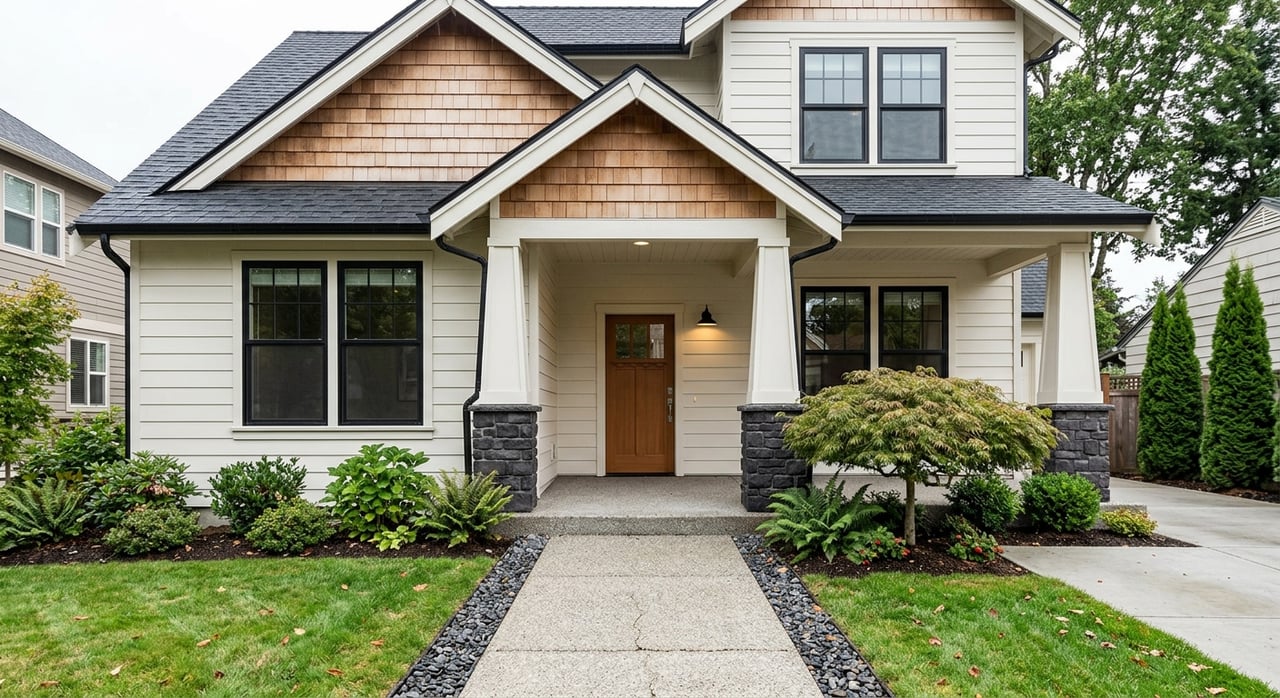
The housing design is also intentionally varied within an organized framework. You will see influences from craftsman, cottage, bungalow, colonial, and farmhouse styles, along with features like front porches, alleys, shared driveways, and a mix of lot sizes.
The Ridge also includes middle housing designed to fit the community’s overall character. New residential construction in the area goes through a design review process, which helps create a more consistent look and feel over time.
Historic Snoqualmie at a Glance
Historic Snoqualmie grew around the downtown and Meadowbrook commercial areas. The city describes it as a compact small town shaped in an earlier era, when people had fewer cars and could walk to many daily needs.
Today, the historic core remains the city’s pedestrian-oriented retail and service center. Shops, services, and historic features are concentrated around downtown, and development is shaped by the Downtown Historic and Landmark District.
Residential character in Historic Snoqualmie is more varied. The city notes that many lots are small, around 3,600 square feet, and were created before modern subdivision laws, which gives the area a different pattern than newer planned neighborhoods.
Neighborhood Feel: Planned vs. Organic
Snoqualmie Ridge Feel
If you like neighborhoods with a more cohesive visual rhythm, Snoqualmie Ridge may appeal to you. The design standards promote a streetscape where homes relate to the sidewalk and public space in a consistent way.
That often translates into a more predictable neighborhood environment. You may find that useful if you value structure, neighborhood continuity, and a residential setting shaped by clear planning rules.
Historic Snoqualmie Feel
Historic Snoqualmie feels more organic and mixed in its layout. Because it developed over time rather than through one unified plan, the area can offer more variation in lot shape, home style, and block character.
It also tends to feel more public-facing. With downtown businesses, tourism activity, and historic landmarks nearby, the area carries more of a classic town-center energy.
Housing Choices: What You’re Really Comparing
Homes in Snoqualmie Ridge
In Snoqualmie Ridge, buyers are often choosing a more clearly planned housing environment. The city’s standards support varied architectural styles, but within a coordinated design approach that includes porches, mixed lot sizes, and rear- or side-loaded garages.
For many buyers, that means more visual consistency and more predictable neighborhood standards. The tradeoff may be less flexibility for highly individualized exterior changes compared with a less regulated setting.
Homes in Historic Snoqualmie
In Historic Snoqualmie, the decision often goes beyond square footage or floor plan. Buyers may also be thinking about lot shape, historic character, infill potential, and how a home fits into an older street pattern.
The area is also shaped by floodplain and floodway limitations. The city states that new construction and substantial improvements must meet flood-elevation requirements, which can be an important factor if you are considering updates or redevelopment.
Commute and Daily Movement
Across Snoqualmie, commuting matters. The city’s housing strategy says about 91 percent of employed residents work outside city limits, with many commuting to Redmond, Seattle, Issaquah, and Bellevue.
That means your choice between Ridge and Historic Snoqualmie may come down in part to how you want to start and end your day. Even in a scenic community, regional work patterns still shape daily life for many households.
Snoqualmie Ridge Commute Context
Snoqualmie Parkway connects SR 202 in downtown Snoqualmie to SR 18 at the I-90 interchange. Based on that road pattern, Snoqualmie Ridge generally sits closer to the I-90 and SR 18 commuter side of town.
If your routine often pulls you toward the Eastside or Seattle region, that placement may be worth considering. It can align well with buyers who want a more neighborhood-centered setting while staying connected to broader regional job hubs.
Historic Snoqualmie Commute Context
Historic Snoqualmie is more closely tied to the SR 202 downtown corridor. That can support a lifestyle where downtown access is a regular part of your daily routine, whether that means errands, dining, or simply enjoying a more traditional town-center environment.
The city also reduced speed limits through downtown SR 202 because of increased pedestrian and vehicle traffic. That reinforces the area’s calmer, more walkable street character compared with a through-route feel.
Transit Options in Both Areas
Both neighborhoods have access to King County Metro Route 208, which serves Snoqualmie Ridge and Historic Downtown Snoqualmie and connects to the Issaquah Transit Center. That gives residents in both areas a transit option, even though many people still rely on driving.
For some buyers, that shared transit access narrows the gap between the two neighborhoods. In that case, the better fit may come down less to transit and more to home style, street feel, and daily amenities.
Parks, Trails, and Outdoor Access
Snoqualmie offers more than 540 acres of open space and about 35 miles of public trails. That broader outdoor setting benefits both neighborhoods, but each connects to it in a different way.
If outdoor access is part of why you are moving to Snoqualmie, it helps to think about whether you want park-centered neighborhood recreation or a trail-and-downtown experience tied to the city’s historic core.
Outdoor Life on Snoqualmie Ridge
Snoqualmie Ridge leans into everyday recreation close to home. Snoqualmie Community Park is a 33-acre park with soccer fields, tennis courts, a skatepark, a playground, open space, and access to the Laurel Bog Interpretive Loop Trail.
The nearby Snoqualmie Community Center/YMCA adds to that practical, everyday community feel. For buyers who want recreation woven into neighborhood life, this can be a strong advantage.
Outdoor Life in Historic Snoqualmie
Historic Snoqualmie connects outdoor access with downtown activity and sightseeing. The Centennial Trail runs through historic downtown, and the Rivertrail project is designed to connect Snoqualmie Falls to downtown and Meadowbrook.
Snoqualmie Falls is also about a one-mile paved walk from historic downtown. That creates a different type of outdoor experience, where walking routes and scenic destinations are closely tied to the town center.
Visitor Activity and Local Rhythm
Historic Snoqualmie tends to feel more visitor-oriented than the Ridge. The city’s tourism plan says more than 2.2 million tourists visit Snoqualmie each year, which helps explain the stronger event, shopping, dining, and museum presence around downtown.
That is not necessarily a pro or a con. It simply means the rhythm is different, and your ideal fit depends on whether you want a quieter planned residential setting or a home base closer to the city’s public-facing center.
Which Neighborhood Fits You Best?
Choosing between these two areas is less about which one is better and more about which one fits how you want to live. Both are part of Snoqualmie, but they support different priorities.
You may prefer Snoqualmie Ridge if you want:
- A more planned neighborhood environment
- Consistent design standards and streetscape character
- Strong park and community-center amenities
- A location that feels more connected to the I-90 and SR 18 commuter side of town
You may prefer Historic Snoqualmie if you want:
- Older character and more varied residential fabric
- Closer access to downtown shops, dining, and landmarks
- A more walkable town-center feel
- A setting shaped by local history and a more active visitor atmosphere
A Smart Way to Compare Both
When I help buyers compare neighborhoods, I encourage them to look past the listing photos and focus on how each area supports real life. The right choice usually becomes clearer when you compare commute patterns, housing style, outdoor access, and the kind of street environment you want day to day.
In Snoqualmie, that comparison is especially important because Ridge and Historic Snoqualmie offer two very different experiences within the same city. A thoughtful side-by-side review can help you move with more confidence and fewer surprises.
If you want help comparing homes, streets, and lifestyle tradeoffs in Snoqualmie, Angie Holmstrom can help you evaluate the details and choose the fit that makes the most sense for your goals.
FAQs
What is the main difference between Snoqualmie Ridge and Historic Snoqualmie?
- Snoqualmie Ridge is the city’s planned residential center with consistent neighborhood design, while Historic Snoqualmie is the older downtown core with more historic character, retail, and visitor activity.
Is Snoqualmie Ridge more commuter-friendly than Historic Snoqualmie?
- Snoqualmie Ridge generally sits closer to the I-90 and SR 18 commuter side of town via Snoqualmie Parkway, while Historic Snoqualmie is more closely tied to the SR 202 downtown corridor.
Does Historic Snoqualmie have floodplain considerations for buyers?
- Yes. The city states that the historic area includes floodplain and floodway limitations, and new construction or substantial improvements must meet flood-elevation requirements.
Are both Snoqualmie Ridge and Historic Snoqualmie walkable?
- Both have pedestrian-oriented features, but in different ways. Snoqualmie Ridge was planned around walkable neighborhood design, while Historic Snoqualmie reflects an older small-town pattern centered around downtown access.
Do Snoqualmie Ridge and Historic Snoqualmie both have transit access?
- Yes. King County Metro Route 208 serves both Snoqualmie Ridge and Historic Downtown Snoqualmie and connects to the Issaquah Transit Center.
Which Snoqualmie neighborhood is better for parks and trails?
- Both benefit from Snoqualmie’s larger trail and open-space system, but Snoqualmie Ridge is more tied to neighborhood recreation like Community Park, while Historic Snoqualmie connects trails with downtown and scenic destinations like Snoqualmie Falls.