What if your morning coffee, weekly market night, and a skyline sunset were all part of your everyday routine? On Queen Anne Hill, that picture is real life. You get a classic Seattle neighborhood feel, culture at your doorstep, and quick connections to downtown and the Eastside. In this guide, you’ll see what daily living looks like here, from shops and parks to transit and housing. Let’s dive in.
Where Queen Anne sits
Queen Anne is the hill just north of downtown Seattle. It wraps around the Seattle Center in Lower Queen Anne, then rises to Upper and West Queen Anne on the hilltop. The area’s steep slopes, stair streets, and viewpoints shape how people live, build, and move around here, which the King County Assessor’s area report highlights.
Locals often split the neighborhood into two day-to-day zones. Upper and West Queen Anne feel residential, with tree-lined blocks and a walkable main street on Queen Anne Avenue North. Lower Queen Anne, also called Uptown, is flatter and more urban with restaurants, venues, and the Seattle Center campus.
If you want quick downtown access without living in the middle of it, Queen Anne puts you close to everything while keeping a neighborhood pace.
Daily rhythm and amenities
Main streets and shops
Upper Queen Anne Avenue North is your everyday main street. You will find independent cafés, services, and neighborhood staples that draw steady foot traffic. The Queen Anne Book Company is a beloved local bookstore that anchors this small-town-in-the-city vibe.
Head to Lower Queen Anne for a denser mix of restaurants and entertainment near the Seattle Center. This mix of two walkable pockets gives you easy choices for errands, date nights, and quick meetups.
Groceries and errands
For everyday shopping, residents rely on neighborhood groceries and prepared foods, with Metropolitan Market in Uptown as a major anchor. Pharmacies, gyms, and services line both Queen Anne Avenue and Uptown, so you can check off errands without leaving the hill.
Farmers market traditions
Thursday evenings feel like a block party when the Queen Anne Farmers Market is in season, typically May through October. You can grab dinner from food vendors, pick up produce, and run into neighbors on West Crockett Street. It is a weekly routine many residents plan around.
Parks, views, and play
Signature viewpoints
Queen Anne’s viewpoints are part of daily life, not just a postcard. Kerry Park is small but iconic, offering skyline and Elliott Bay views that are hard to beat. You will also find quiet green spots like Parsons Gardens, Marshall Park, and the Betty Bowen viewpoint that locals love for a quick pause.
Pocket parks and playfields
Families and active residents spread out across the hill’s network of parks. David Rodgers Park is the largest neighborhood park, with play areas and tennis. Pocket parks like Bhy Kracke add hidden viewpoints and kid-friendly greenspace. On weekends, you will notice youth sports and casual pick-up games across these fields.
Arts, culture, and events
Seattle Center at your door
At the base of the hill, the Seattle Center ties arts, learning, and events into everyday life. The campus includes the Space Needle, MoPOP, and Pacific Science Center, and it hosts festivals and community gatherings year-round. The Center’s long-range vision shows how it continues to shape the neighborhood’s rhythm of evenings and weekends, as outlined in the Seattle Center 10-year Action Plan.
Arena energy and trade-offs
Climate Pledge Arena sits in Uptown and brings major concerts and sports. On event nights, you get extra buzz, fuller restaurants, and heavier traffic and parking demand. Residents learn to plan around big dates on the Climate Pledge Arena calendar and lean on transit for hassle-free nights out.
Getting around Queen Anne
Walkability and short trips
Lower Queen Anne is among Seattle’s most walkable neighborhoods, according to Walk Score’s Seattle rankings. Upper Queen Anne’s slopes can make some routes a workout, but the main hilltop strip stays pedestrian-friendly. Many day-to-day needs sit within a short stroll.
Transit and light rail
Buses connect Queen Anne to downtown, South Lake Union, and nearby neighborhoods with frequent service. There is no light rail station on the hill, so most riders connect downtown through Westlake to use Link. You can check routes and station info at Sound Transit’s Westlake Station page. With the East Link now running between downtown and Bellevue, cross-lake commutes by rail are more practical once you connect at Westlake.
Monorail convenience
The Seattle Center Monorail is a memorable, practical connector for quick trips to downtown. It runs between Seattle Center and Westlake in about two minutes, with schedules and fares managed by Seattle Center. Service can shift around events, so it helps to check official monorail updates before you go.
Driving, biking, and stairs
Driving to downtown is a short hop when traffic cooperates. Eastside trips typically use I-5 to I-90 or SR 520, and many commuters time their drives or take transit during peak congestion. Biking is common but the hills are real, and e-bikes make the climbs easier. Stairways cut through the slopes and become part of daily walks and micro-commutes.
Housing on the hill
Styles and ages
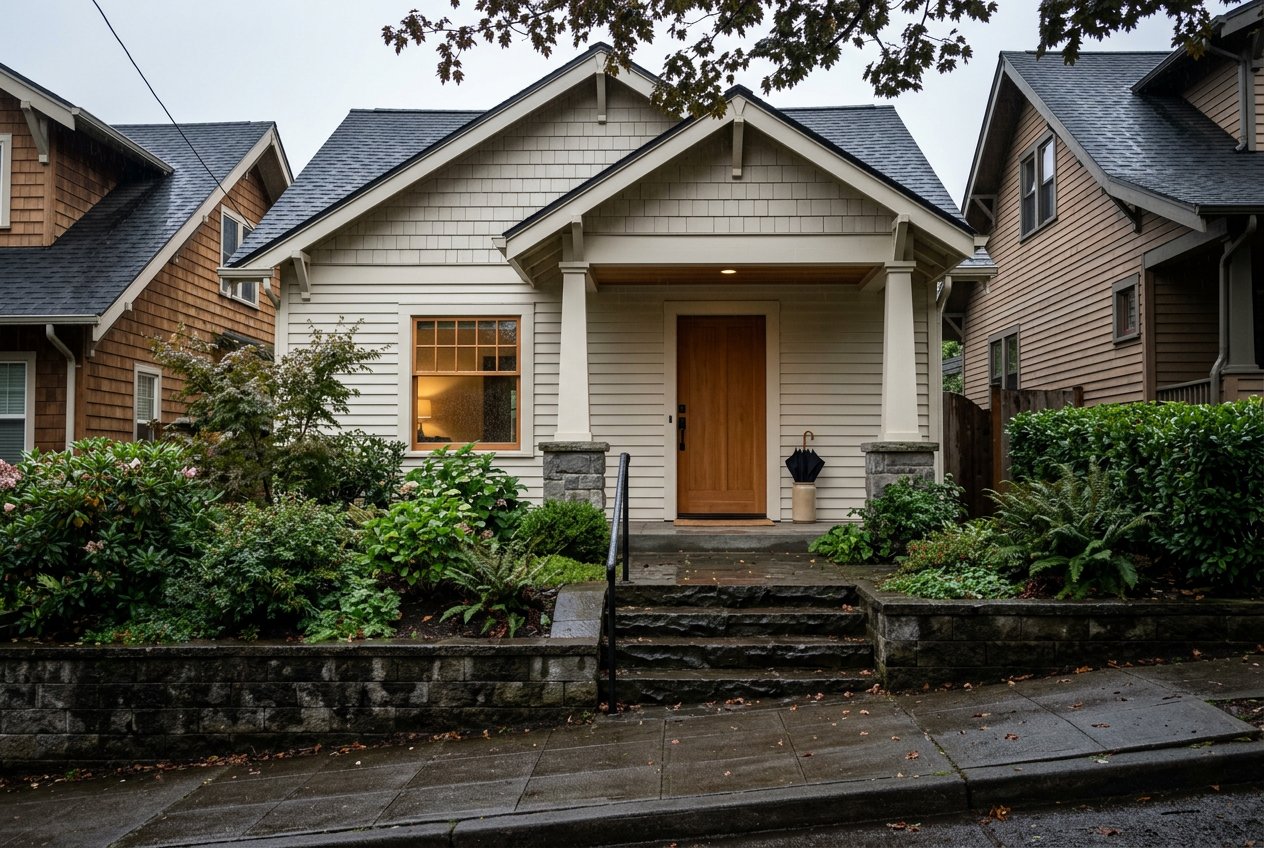
Queen Anne’s homes span grand turn-of-the-century architecture, classic Craftsman houses, mid-century condos, and modern townhomes and apartments. The county’s area report notes roughly 70 percent of homes were built before 1950, and you will also find a range of multifamily options and infill townhomes on zoned lots near business corridors and the South Slope. These patterns reflect how the hill’s topography and zoning shape what gets built.
What buyers check
Older homes and steep sites mean you should budget time and attention for inspections. Common items include:
- Foundations and retaining walls on sloped lots
- Drainage and roof condition
- Access to utilities on narrow parcels
- Current and potential view impacts from trees or nearby development
A thoughtful plan for contingencies helps you move forward with confidence.
What sells well
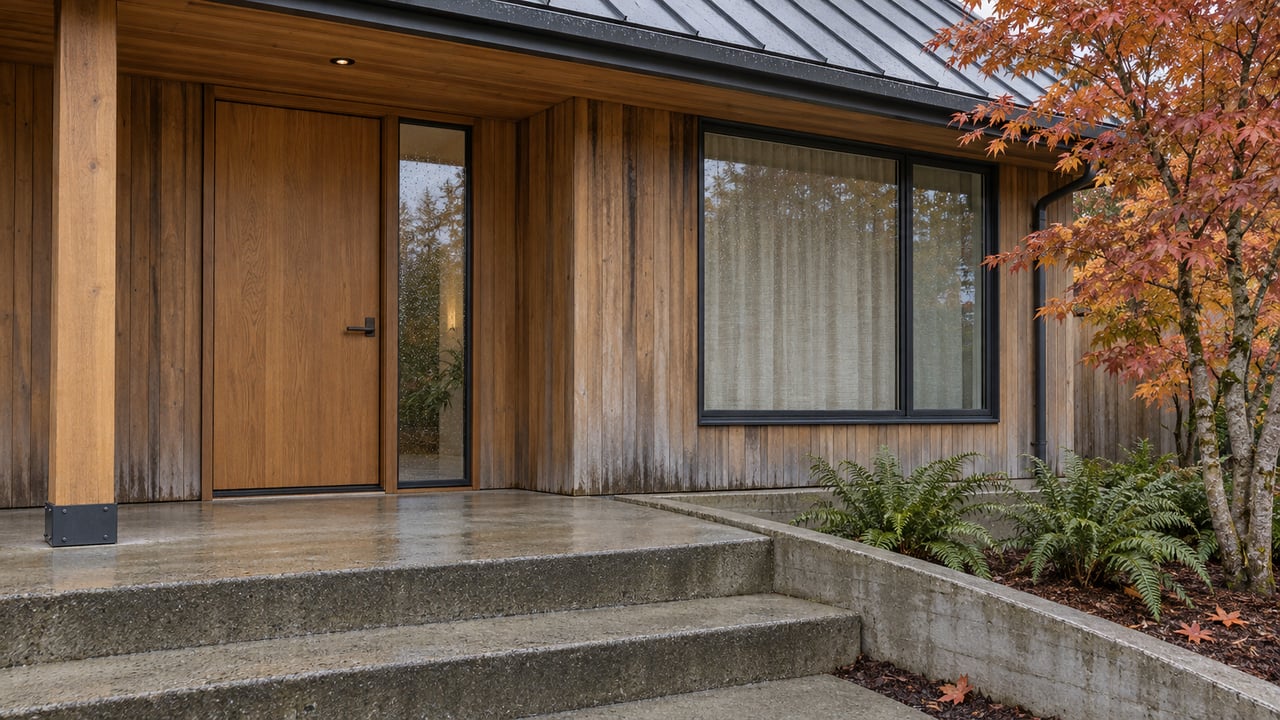
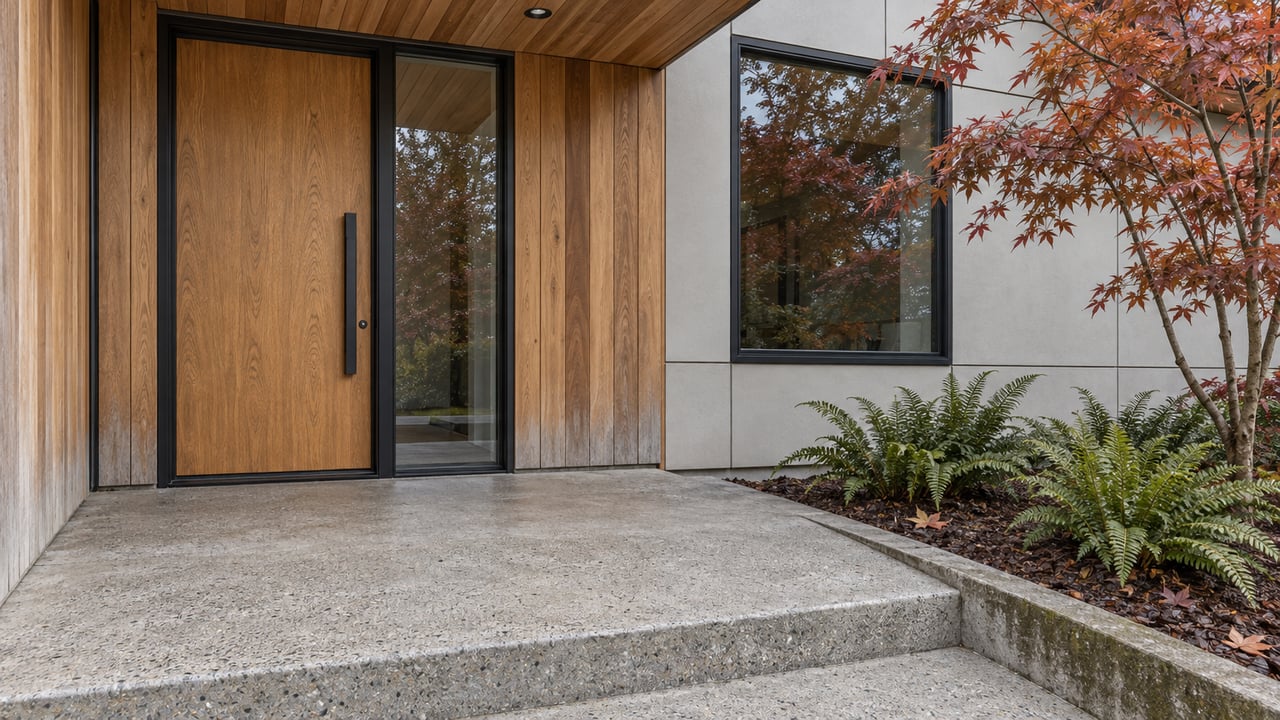
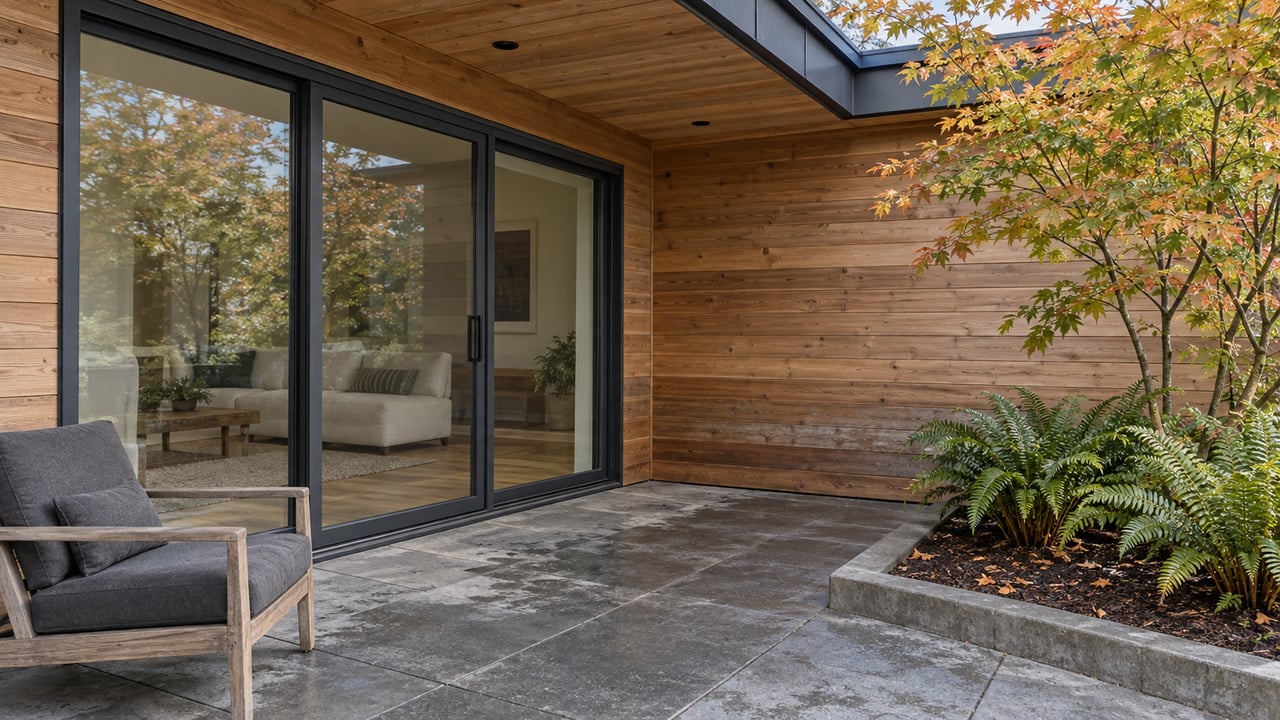
Well-maintained historic character, updated kitchens and baths, and functional indoor-outdoor spaces tend to bring strong attention. Parking solutions are a plus on the hill. Proximity to Queen Anne Avenue shops and the Seattle Center can be a selling point, along with views that echo those classic Kerry Park angles. Good staging and view-forward photography help listings stand out.
Price context you can expect
Queen Anne is a close-in, view-focused neighborhood, so prices typically sit in the city’s upper tier. Single-family and view homes often reach seven figures, while many condos and smaller units can be found in the mid to high six figures. Exact numbers change with market cycles and property type, so it pays to review fresh comparables before you write an offer or set a list price.
Upper vs. Lower: how they feel
- Upper and West Queen Anne: Quiet residential blocks, stair-lined streets, porch culture, and a friendly main street of independent shops and cafés.
- Lower Queen Anne / Uptown: Denser living, restaurant rows, and direct access to the Seattle Center, arena events, and transit connections.
Both areas share quick access to downtown and the water, and many residents move between them daily for errands, workouts, and nights out.
Is Queen Anne right for you?
- You want in-city convenience with neighborhood charm. Queen Anne Avenue’s hilltop strip and Lower Queen Anne’s restaurant rows put cafés, errands, and culture within easy reach. Independent shops like the Queen Anne Book Company reinforce the local feel.
- You value easy downtown access. Buses and the monorail make short commutes realistic, and you can transfer downtown at Westlake Station for Link service. The East Link adds a reliable downtown to Bellevue rail connection after that transfer.
- You picture an active routine outdoors. From Kerry Park sunsets to playtime at David Rodgers Park, the hill’s green network makes it easy to recharge.
- You appreciate homes with character and views. Historic details and hillside outlooks define many properties. The trade-off is steeper access and event energy near the arena.
- You want community touchpoints. The Queen Anne Farmers Market and neighborhood programs at the Queen Anne Community Center and Pool create easy ways to plug in.
How to make your move smoother
- Get prepped on inspections early. On the hill, foundations, drainage, and roofs deserve careful review.
- Tour at different times. Check event nights near the arena and try a commute run during your typical hours.
- Plan your logistics. If walkability matters, map your daily routes to groceries, cafés, and parks. If you need parking, confirm access and maneuvering on steep or narrow sites.
- Price it with today’s data. Queen Anne’s market shifts quickly by micro-location, condition, and views. Fresh comps and a focused pricing strategy make the difference.
When you are ready to take the next step, a calm, detail-forward plan helps you move with confidence.
Ready to tour homes, review comps, or prep your property for market on Queen Anne? Let an experienced, local advisor guide you through the details. Reach out to Angie Holmstrom to get a step-by-step plan that fits your goals. Let’s Connect.
FAQs
What is daily walkability like on Queen Anne?
- Lower Queen Anne ranks among Seattle’s most walkable areas, while Upper Queen Anne’s steep streets make some routes a workout. Main corridors in both areas support easy errands.
How do Queen Anne residents use light rail without a local station?
- Most riders take a short bus or the monorail to Westlake, then transfer to Link for trips across Seattle or to the Eastside via the new East Link service.
What are common inspection issues for Queen Anne homes?
- On older or hillside properties, buyers often focus on foundations, retaining walls, drainage, roof condition, and potential changes to views from trees or nearby development.
How do arena events affect living in Lower Queen Anne?
- Event nights bring energy and fuller restaurants, along with heavier traffic and tighter parking. Many residents walk, bus, or take the monorail for easier evenings out.
Which parks do locals visit most for views and play?
- Kerry Park is the signature viewpoint for skyline sunsets, while David Rodgers Park offers larger play and tennis amenities. Smaller pocket parks add quiet green space around the hill.