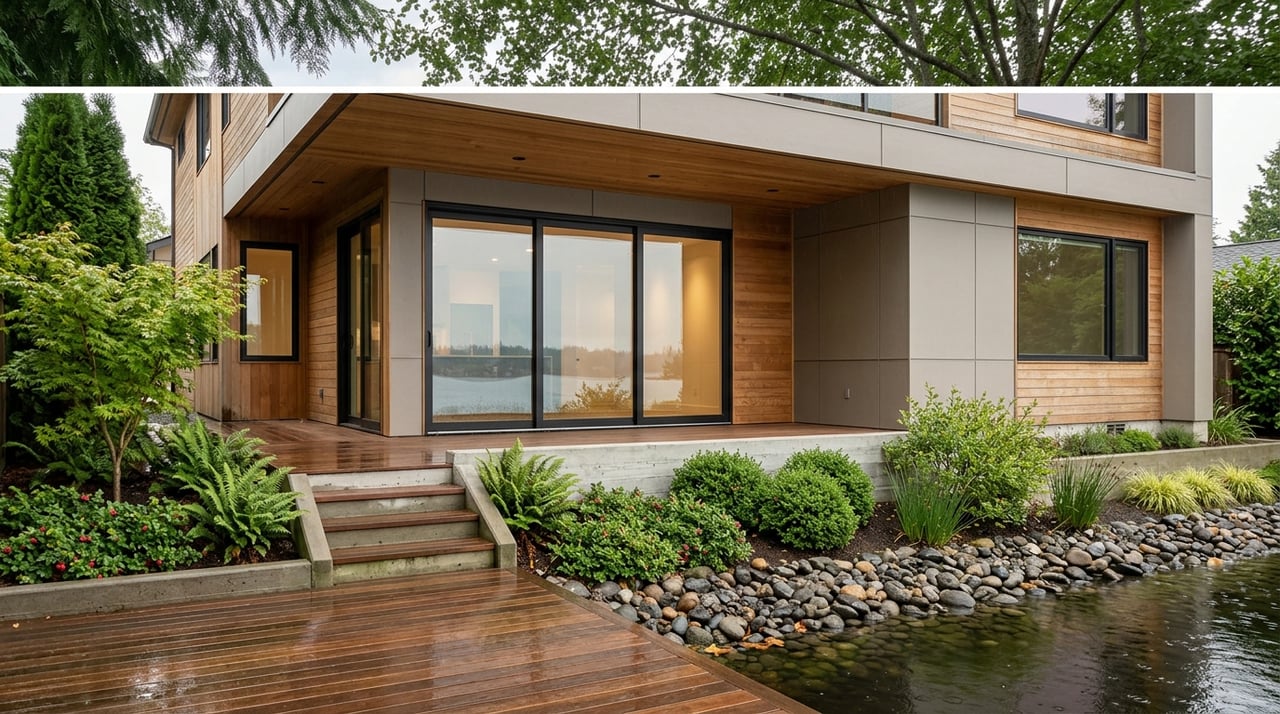
If you have ever looked at two Kirkland homes with similar square footage and very different price tags, the lake is often the reason. In Kirkland, waterfront can push a property into a completely different value tier, but the premium is not just about being close to Lake Washington. If you are buying, selling, or simply trying to understand the market, this guide will show you what really drives waterfront value in Kirkland and what trade-offs matter before you make a move. Let’s dive in.
Kirkland waterfront starts higher
Kirkland is already an expensive market by almost any measure. In May 2026, Redfin reported a median sale price of about $1.279 million, while Zillow showed a median sale price of about $1.2386 million and 432 homes for sale at the end of the month.
Even inside that strong market, waterfront properties sit in a separate category. The City of Kirkland identifies about 9.9 miles of Lake Washington waterfront along the city’s western edge, and King County’s 2024 annual update for Area 74 showed a mean adjusted sale price of $2.426 million. That same update included a waterfront model adjustment of +24.11%, which signals that waterfront location was a meaningful value driver in the county’s appraisal model.
Waterfront is not the same as a view
One of the biggest mistakes buyers and sellers make is treating all lake-related homes as equal. In Kirkland, there is a real difference between a true waterfront parcel, a home with a lake view, and a property with deeded access.
King County’s 2025 Area 37 report for the Juanita and Finn Hill shoreline separates those categories clearly. It identifies 293 Lake Washington waterfront parcels on the northeast shore, along with many nearby properties that benefit from varying lake views. The report also assigns separate value to deeded access, including additions of $75,000 in one neighborhood and $15,000 in another.
That distinction matters because the market tends to reward direct use of the water more than simple proximity. A home that sits near the shoreline may still command attention, but a home with true frontage or meaningful access often competes in a much different price band.
What creates the waterfront premium
The premium usually comes from a mix of scarcity, usability, and lifestyle. There is only so much shoreline in Kirkland, and not all of it offers the same day-to-day experience.
For many buyers, the most valuable features are straightforward:
- Direct Lake Washington frontage
- Wide, usable view corridors
- Deeded water access
- Lot characteristics that make shoreline use easier
- Shoreline improvements that are functional and maintained
King County’s assessor reports support this pattern. In Area 37, the county notes that waterfront properties are valued with attention to bank type and overall lot size, not just address alone. In other words, two waterfront homes can have very different value if one is easier to use, maintain, or enjoy.
Bank type can change value
Not all waterfront lots function the same way. In Kirkland, bank type is one of the most practical factors affecting both value and livability.
King County describes three common conditions for Lake Washington waterfront properties:
- High-bank lots sit above the shoreline and often require walk-down or tram access.
- Medium-bank lots step down from the home toward the water.
- Low-bank lots sit closer to the shoreline itself.
For buyers, this affects daily use. A dramatic perch above the lake may offer sweeping views, but it may not feel as convenient as a lot with easier shoreline access. For sellers, understanding how your lot functions in real life can help shape pricing and marketing in a more accurate way.
Lot size and age also matter
Waterfront value is not just about the water. The land itself and the home’s condition can shape how strong that premium really is.
According to the Area 37 report, typical waterfront lots in that area range from about 20,000 square feet to an acre. The report also notes that many waterfront homes were built before 1990 and later upgraded or rebuilt.
That means buyers often compare more than location. They may be looking at whether the lot is generous enough for privacy and outdoor use, whether the home has already seen major improvements, and how much future work may be needed. A prime shoreline address can still lose some appeal if the property has deferred maintenance or limited practical use.
Why Kirkland buyers pay more
The waterfront premium in Kirkland is not only a pricing story. It is also a lifestyle story.
Kirkland’s shoreline gives residents access to some of the city’s best-known public spaces. Marina Park includes a sandy beach, boat launch, moorage, public art, an open-air pavilion, and broad views across Lake Washington toward Seattle. Juanita Beach Park offers 1,000 feet of shoreline, a swimming beach, a trail, picnic shelters, a playground, and a hand-carried non-motorized boat launch.
The city also maintains three guarded swimming beaches. That kind of public access helps reinforce the appeal of living close to the water, because the shoreline is part of everyday Kirkland life rather than a distant backdrop.
The City of Kirkland’s shoreline planning also emphasizes access, views, and recreation. When you combine limited shoreline supply with a strong amenity base, it becomes easier to understand why buyers continue to pay a premium for homes that offer direct water connection.
Waterfront can hold a different market position
Even when the broader market shifts, waterfront and shoreline-adjacent homes often remain in a higher-value segment than the citywide middle. That does not guarantee future appreciation, but it does show that these homes are often measured by a different set of buyer priorities.
Spring 2026 median sale prices across Kirkland were roughly in the $1.24 million to $1.28 million range, depending on the source. By contrast, King County’s Area 74 update showed a mean adjusted sale price of $2.426 million and included a clear waterfront adjustment in the county’s valuation model.
For sellers, that can mean stronger positioning when a property offers obvious and usable lake benefits. For buyers, it means you should evaluate not just whether a home is expensive, but whether the premium is supported by features that matter over time.
The trade-offs behind the premium
A waterfront home can be compelling, but it also comes with extra layers of review and upkeep. In Kirkland, the value equation is not only about the view. It is also about what it takes to preserve, improve, and use the shoreline.
Kirkland’s Shoreline Master Program applies to land within 200 feet of Lake Washington’s ordinary high water mark, as well as wetlands connected to Juanita Bay and Yarrow Bay. The city regulates new and expanded structures, grading, dredging, filling, shoreline restoration, and public-access work. Existing uses can be maintained, but alterations and expansions are subject to shoreline review.
The city also notes tailored shoreline setback standards, alternatives for some pier designs, and a preference for soft shoreline stabilization. For buyers, this means future projects may involve more time, planning, and cost than a similar non-waterfront property.
Maintenance costs should be part of pricing
Shoreline property ownership often involves ongoing maintenance that inland buyers may not face in the same way. Exterior exposure, aging shoreline elements, and site-specific improvements can all affect long-term costs.
The City of Kirkland’s planned Marina Park dock renovation and shoreline improvement project in 2027 and 2028 is a useful public example of a basic truth: shoreline infrastructure ages, and improvements near the water can require meaningful capital investment. For private homeowners, the same logic applies.
That is why a smart waterfront analysis goes beyond headline price. You want to look at not only what the home offers today, but also what it may cost to keep the shoreline usable, permitted, and maintained.
What sellers should focus on
If you are selling a waterfront or shoreline-adjacent home in Kirkland, the biggest value drivers are usually the clearest and most usable ones. Buyers are often paying for a combination of access, ease, and confidence.
Focus on features such as:
- Direct or deeded water access
- Strong lake views from main living areas and outdoor spaces
- Functional shoreline configuration
- Well-maintained exterior improvements
- Clear documentation around existing shoreline elements or past updates
A calm, detail-driven pricing strategy matters here. Waterfront buyers are often willing to pay a premium, but they also tend to look carefully at condition, usability, and future limitations.
What buyers should ask first
If you are considering a Kirkland waterfront home, ask practical questions early. A beautiful setting does not always mean the property will function the way you expect day to day.
Start with questions like these:
- Is this true waterfront, a view property, or deeded-access property?
- What is the bank type, and how easy is shoreline access?
- What shoreline improvements already exist?
- What signs of deferred maintenance are visible?
- How might shoreline review affect future renovation plans?
These questions help you separate emotional appeal from long-term value. In a premium segment, small details can carry large price consequences.
The bottom line on Kirkland waterfront value
Kirkland’s waterfront influences home values because it combines scarcity, lifestyle, and practical utility in one of the Eastside’s most recognizable settings. The broader market is already strong, but direct waterfront, view amenities, deeded access, and usable shoreline features can push certain homes well above the citywide middle.
At the same time, not every water-oriented home deserves the same premium. The difference between waterfront, view, and access matters. So do bank type, lot size, property condition, and shoreline regulations.
If you want to make a smart move in Kirkland, it helps to look past the postcard effect and focus on the details that shape real value over time. When you are ready for clear, local guidance on buying or selling in Kirkland, connect with Angie Holmstrom.
FAQs
How does waterfront affect home values in Kirkland?
- Waterfront properties in Kirkland generally occupy a higher price tier than the broader market, with King County appraisal work showing a waterfront adjustment and much higher mean adjusted sale prices in key shoreline areas.
Is a Kirkland lake-view home the same as a waterfront home?
- No. King County distinguishes between true waterfront parcels, view parcels, and deeded-access parcels, and those categories are valued differently.
Do all Kirkland waterfront homes command the same premium?
- No. The size of the premium can vary based on bank type, lot size, access, shoreline usability, and overall property condition.
What should buyers check before purchasing Kirkland waterfront property?
- Buyers should confirm whether the home is true waterfront or deeded-access, review bank type and shoreline access, assess maintenance needs, and understand how shoreline rules may affect future changes.
Do shoreline regulations affect Kirkland waterfront home value?
- Yes. Kirkland’s Shoreline Master Program can affect future expansions, restoration work, grading, and other property changes, which can influence both cost and usability.
Why do buyers pay more for waterfront homes in Kirkland?
- Buyers often pay more because waterfront combines limited supply with views, recreation, access to Lake Washington, and a lifestyle connection reinforced by Kirkland’s public shoreline amenities.