If your ideal weekend includes trail miles, mountain views, or a quick drive to snow, Snoqualmie is easy to notice. For many buyers, the appeal is not just the scenery. It is the way daily life can feel more connected to the outdoors while still offering a real residential base within reach of Seattle and the Eastside. If you are wondering why outdoor-loving homebuyers keep Snoqualmie on their shortlist, this guide will walk you through what stands out and what to consider before you buy. Let’s dive in.
Outdoor access shapes daily life
Snoqualmie stands out because outdoor recreation is built into the city itself, not treated like an occasional extra. According to the city, Snoqualmie has more than 40 parks, over 540 acres of open space, about 35 miles of public trails, and more than 1,200 acres of forested open space. That creates a lifestyle where a walk, ride, or trail outing can fit into an ordinary weekday, not just a special trip.
The city also frames Snoqualmie as a midpoint between Seattle and Snoqualmie Pass, with year-round access to hiking, biking, and local snow sports. For buyers who want a home base that supports active routines, that combination can be hard to ignore. You are not choosing between suburbia and recreation as much as blending the two.
Signature destinations add year-round appeal
Some places have a few nice parks. Snoqualmie has outdoor landmarks that give the area a bigger draw.
Snoqualmie Falls is a major asset
Snoqualmie Falls is a 268-foot waterfall and one of Washington’s most visited natural landmarks. The park includes overlooks, trails, a lower forested path, and kayak or canoe access, which gives residents a striking natural destination close to home.
That matters for homebuyers because it adds more than postcard beauty. It reinforces Snoqualmie’s identity as a place where natural scenery is part of everyday living.
Local trails support active routines
The city’s planned Snoqualmie Rivertrail is intended to connect Snoqualmie Falls, historic downtown, Borst Lake, and Meadowbrook Farm. That kind of connected trail vision is attractive if you want outdoor access without always needing to drive to a trailhead.
Nearby regional options also expand the lifestyle. The Preston-Snoqualmie Trail offers a 6.5-mile paved rail-to-trail route with valley views, and Mount Si in nearby North Bend is one of the area’s best-known hikes.
Parks and open space deepen the experience
Snoqualmie Point Park offers broad views of the Snoqualmie Valley and Cascade Range. Meadowbrook Farm adds 460 acres of protected open space used for walking, wildlife viewing, and community events.
These spaces broaden the appeal beyond hardcore hikers or skiers. If your version of outdoor living is a morning walk, scenic picnic, or open views close to home, Snoqualmie still delivers.
Winter recreation is part of the draw
Outdoor-loving buyers often think beyond summer. The Summit at Snoqualmie adds winter and shoulder-season recreation with skiing, snow tubing, Nordic skiing, mountain biking, disc golf, and scenic chairlift rides.
That helps explain why Snoqualmie appeals to buyers who want four-season access to activities. Instead of changing your lifestyle with the weather, you simply change the activity.
Snoqualmie offers two distinct lifestyle patterns
A big part of Snoqualmie’s appeal is that buyers can match outdoor access with different neighborhood styles. The city’s planning documents describe two main residential patterns, and each serves a different type of buyer.
Snoqualmie Ridge feels planned and connected
The city describes Snoqualmie Ridge as a late-1990s and early-2000s master-planned neighborhood with parks, retail areas, and trail connections. It also includes a broader range of housing forms, which can matter if you want options beyond a traditional detached house.
For outdoor-focused buyers, Snoqualmie Ridge can feel practical. You may find the kind of layout that supports gear storage, easy access to parks and trails, and a more organized neighborhood setting.
Historic downtown offers a different rhythm
Historic downtown Snoqualmie has been revitalized to preserve heritage while supporting tourism and community use. Buyers drawn to character, a more walkable core, and proximity to shops, restaurants, the depot, and riverfront amenities may find this side of town especially appealing.
If you want outdoor access paired with a more established setting, downtown offers a different kind of fit. It can feel less like a newer planned suburb and more like a small-town core with its own identity.
Housing choices go beyond single-family homes
Snoqualmie is often associated with detached homes, but the housing mix is broader than many buyers expect. The city identifies middle housing types such as duplexes, triplexes, fourplexes, townhouses, courtyard apartments, cottage housing, and stacked flats, and notes that the city already has a significant amount of this housing, including in Snoqualmie Ridge.
That matters if you want the Snoqualmie lifestyle without taking on the maintenance or price point of a larger detached home. The city’s framework also includes townhomes, walk-up apartments, and condominiums, which can create more entry points into the market depending on your goals.
At the same time, this is not a bargain market. According to U.S. Census QuickFacts for Snoqualmie, the owner-occupied housing rate is 85.1% and the median value of owner-occupied homes is $977,200. In practical terms, Snoqualmie tends to attract buyers looking for a strong ownership-oriented market and a lifestyle-driven purchase.
The home itself matters for outdoor buyers
When buyers picture living in Snoqualmie, they are usually thinking beyond square footage. They are also thinking about how a home supports an active routine.
Features that often make sense in this kind of market include:
- Garage space for bikes, skis, boards, and other gear
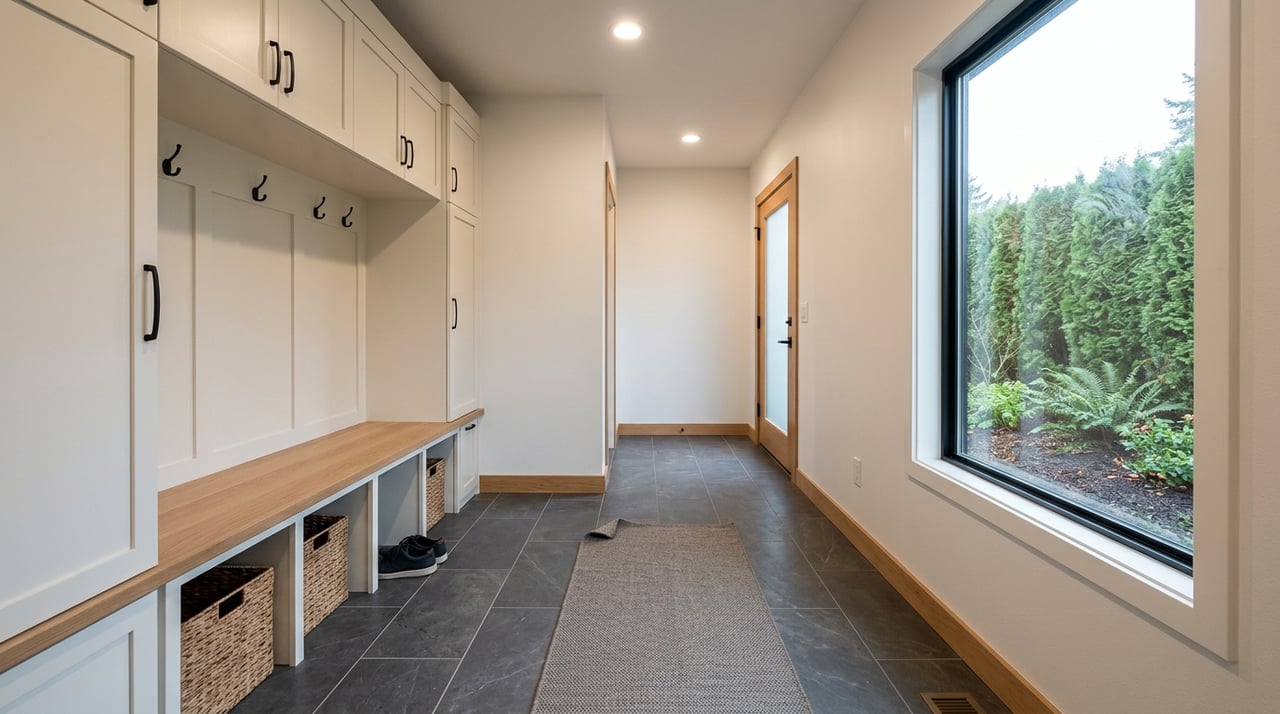
- Mudrooms or practical entry areas
- Flexible bonus rooms for workouts, hobbies, or storage
- Patios, decks, or usable outdoor living areas
- Yards that support entertaining, play, or pets
These features are easy to understand in a city built around parks, trails, and year-round recreation. For many buyers, the right home in Snoqualmie is not just where you sleep. It is where you stage the rest of your lifestyle.
Commute access helps balance adventure and work
Snoqualmie’s outdoor appeal would be harder to sustain if it felt completely disconnected from job centers. Part of its popularity comes from the fact that you can often pair recreation access with a workable commute.
The city says Snoqualmie is accessible to Seattle, Bellevue, and Issaquah via I-90 or SR 202, and describes those routes as scenic and under 30 miles. Census data adds useful context: Snoqualmie residents have a mean travel time to work of 29 minutes.
That said, buyers should view commute reliability with clear eyes. The city notes that the I-90/SR 18 interchange is among the busiest in the state, with peak-time and weekend backups, and winter travel over the pass can involve alerts, chains, and avalanche-control delays. If you commute regularly, it is smart to weigh the benefits of location against traffic variability.
Transit is available, but it is more limited than in Seattle or Bellevue. Route 208 connects Snoqualmie and North Bend to Issaquah Transit Center, and Snoqualmie Valley Transportation provides weekday shuttle options and local connections within the area.
Buyers should understand the trade-offs too
Every lifestyle market has its trade-offs, and Snoqualmie is no exception. Knowing them upfront helps you make a more confident decision.
Outdoor access does not erase weather and terrain
Living close to trails, rivers, and mountain access is exciting, but it also means paying attention to seasonal conditions. Trail use, winter driving, and changing weather can affect how and when you use certain amenities.
For some buyers, that is part of the appeal. For others, it is a reminder that mountain-adjacent living works best when your expectations match the setting.
River-adjacent homes need extra review
Riverfront or open-space-adjacent properties can be especially attractive, but they also come with added considerations. The city’s shoreline planning addresses the Snoqualmie River, Kimball Creek, Borst Lake, and associated floodplains and wetlands, and the comprehensive plan notes that some park access points can be affected by high water and flooding.
If you are considering a lower-lying or river-adjacent property, due diligence matters. A careful review of location-specific conditions can be just as important as the view.
Why Snoqualmie resonates with outdoor-loving buyers
At its core, Snoqualmie works because it combines two things that do not always come together easily. You get meaningful outdoor access and a true residential environment with established neighborhoods, a strong ownership profile, and different lifestyle options depending on where you buy.
For some buyers, that means a newer home in Snoqualmie Ridge with trails and parks nearby. For others, it means a character-rich home near historic downtown and riverfront amenities. In both cases, the draw is similar: you are buying into a way of living that keeps nature closer to your normal routine.
If you are exploring Snoqualmie or comparing it with other Eastside and Puget Sound communities, Angie Holmstrom can help you weigh lifestyle fit, housing options, and the practical details that matter most to your move.
FAQs
Why does Snoqualmie appeal to outdoor-loving homebuyers?
- Snoqualmie appeals to outdoor-focused buyers because it offers more than 40 parks, about 35 miles of public trails, large areas of open space, and convenient access to hiking, biking, and winter recreation.
What outdoor activities are available near Snoqualmie, WA?
- Buyers in Snoqualmie have access to trails, walking paths, wildlife-viewing areas, Snoqualmie Falls, the Preston-Snoqualmie Trail, nearby Mount Si, and seasonal recreation at The Summit at Snoqualmie.
What types of homes can you find in Snoqualmie?
- Snoqualmie includes detached homes as well as townhomes, duplexes, triplexes, fourplexes, condominiums, walk-up apartments, and other middle housing options identified by the city.
What is the difference between Snoqualmie Ridge and historic downtown Snoqualmie?
- Snoqualmie Ridge is known as a newer master-planned area with parks, trail connections, and a wider range of housing types, while historic downtown Snoqualmie offers a more character-driven, walkable core near shops, restaurants, and riverfront amenities.
Is Snoqualmie a good choice for commuters to Bellevue or Seattle?
- Snoqualmie can work well for commuters because of access via I-90 and SR 202, and Census data shows a mean travel time to work of 29 minutes, but traffic backups and winter road conditions can make commute times less predictable.
What should buyers know about river-adjacent homes in Snoqualmie?
- River-adjacent and lower-lying properties may have added shoreline, wetland, and floodplain considerations, so buyers should review property-specific conditions carefully before making a decision.