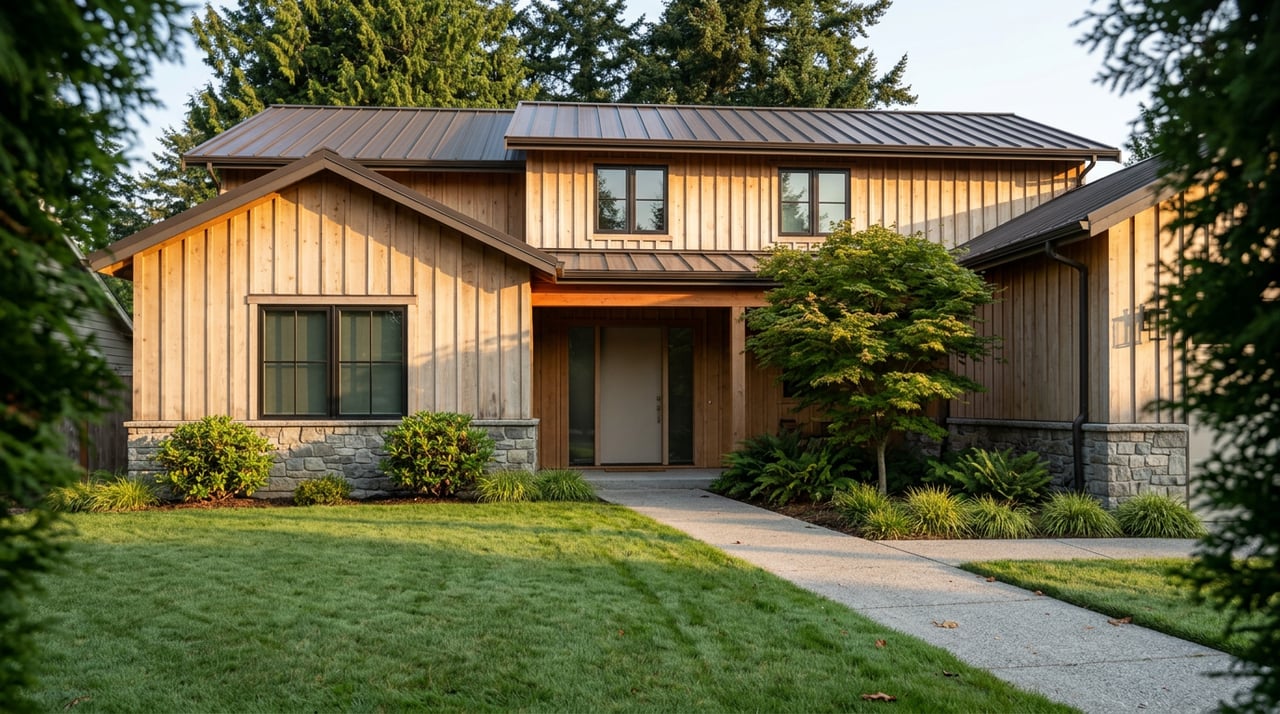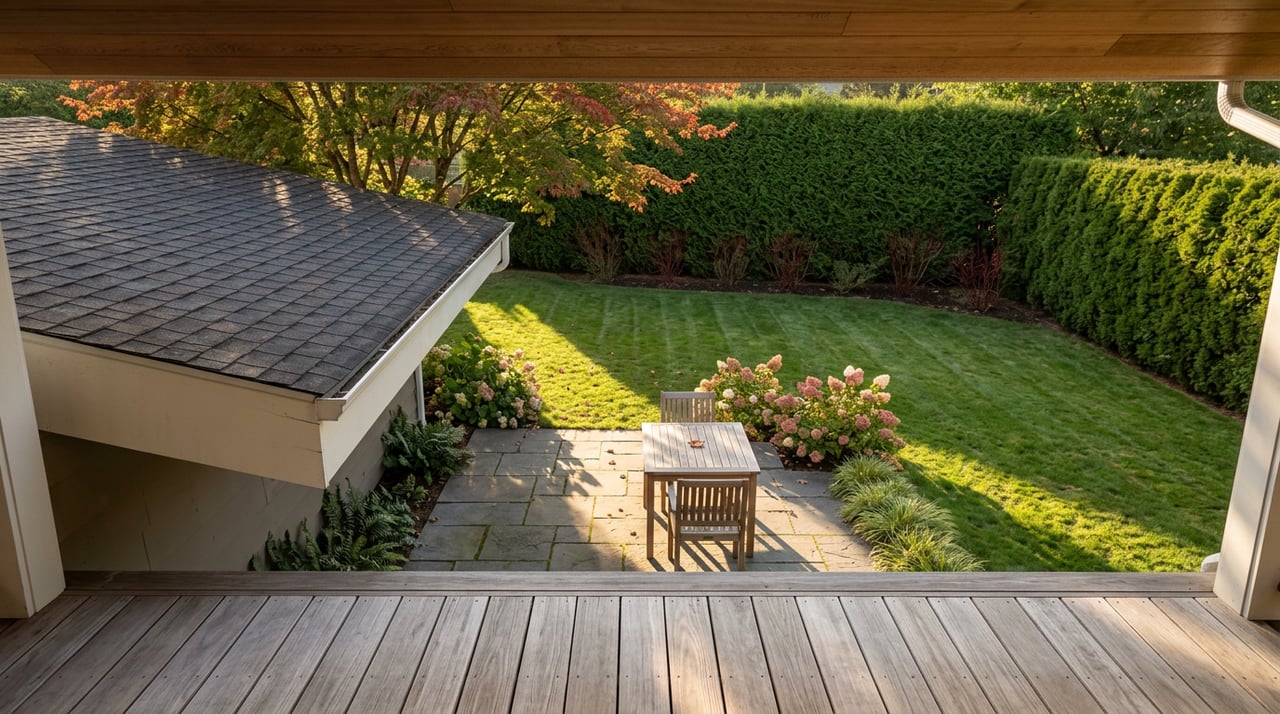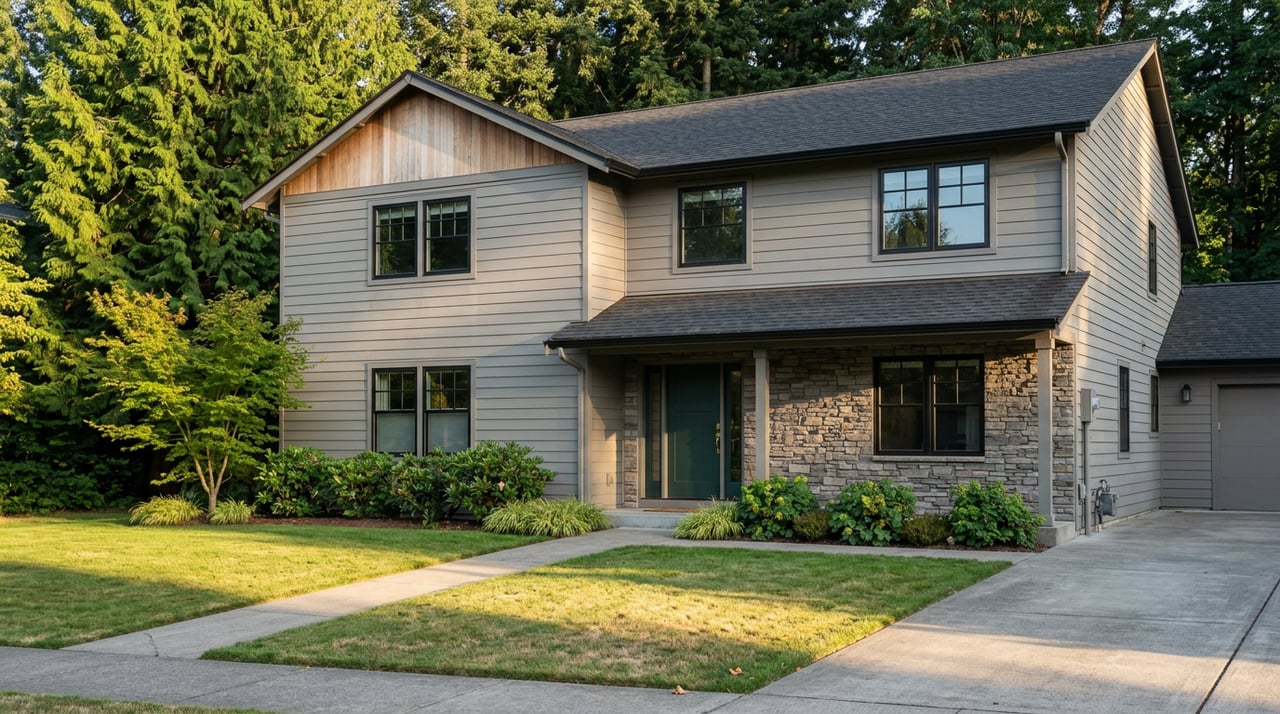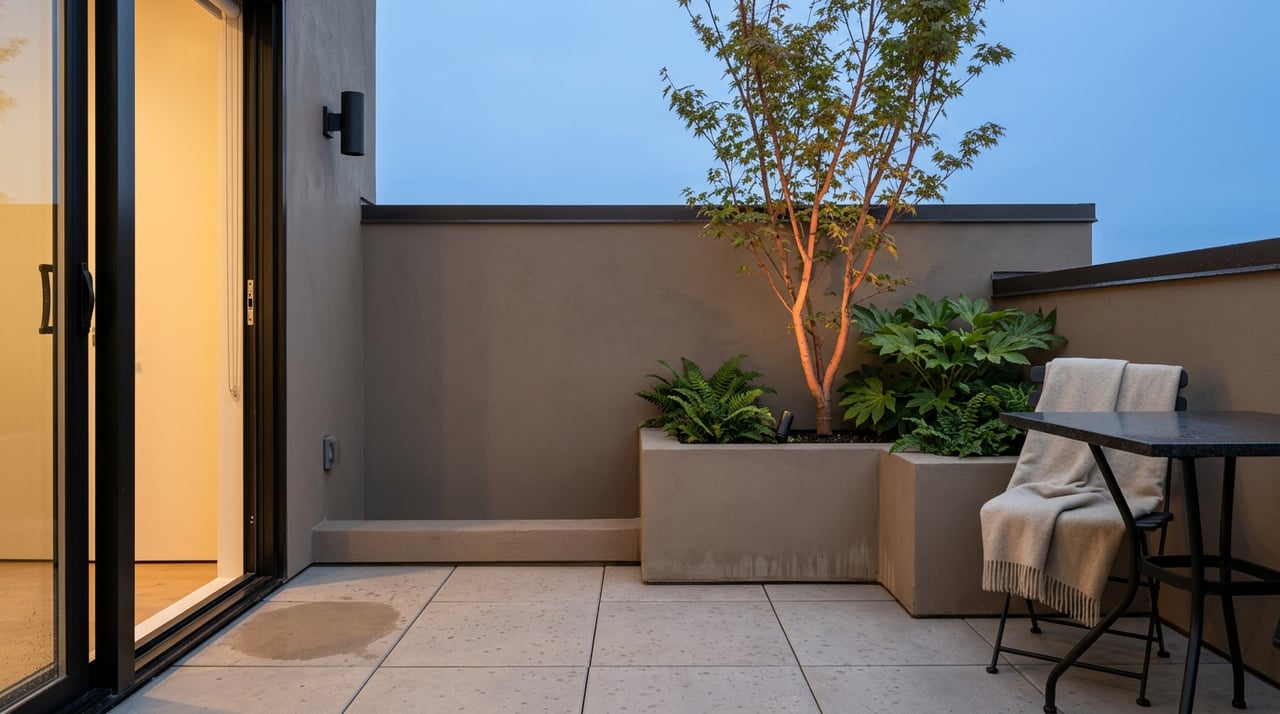
Trying to choose between Issaquah and Sammamish? You are not alone. Many Eastside buyers end up comparing these two communities because both offer access to the broader Seattle-Bellevue-Everett area, but they live very differently day to day. If you are weighing commute options, home styles, outdoor access, and the feel of daily life, this guide will help you sort through the trade-offs with more clarity. Let’s dive in.
Start With the Big Difference
If you want the shortest way to frame it, Issaquah is generally the more mixed-use, transit-connected, and housing-diverse option. Sammamish is generally the more detached-home-focused, park-heavy, and car-oriented option.
That distinction is supported by city planning and transportation documents. In practical terms, it affects what kind of home you are likely to find, how you run errands, how you commute, and what your weekends may look like.
Compare Housing Options
Issaquah offers more housing variety
If flexibility matters to you, Issaquah may give you more choices. According to the City of Issaquah Economic Development Action Plan, single-family homes make up 39% of the city’s housing stock, while 61% is higher density.
That same report notes that 42% of Issaquah’s housing falls into missing-middle types like multiplexes, townhomes, and small apartment buildings. It also states that 1-unit attached homes make up 16% of the housing stock, and central Issaquah includes condos, older homes, townhomes, and duplexes near goods and services.
Issaquah is also continuing to add mixed-use housing. The city describes Trailhead as a transit-oriented development expected to include at least 155 affordable rental units and about 185 market-rate units, which reinforces the city’s more diverse housing profile.
Sammamish leans heavily detached single-family
Sammamish has a different housing makeup. The city’s draft Town Center plan says 83.4% of homes are detached single-family, and it describes the housing stock as relatively young, suburban, expensive, and predominantly single-family.
The city is working to encourage more diverse and affordable housing options over time, but the existing housing base is still much more centered on detached homes. If your priority is a traditional suburban single-family setting, that may align well with what you are looking for.
Price structure matters too
Housing mix often connects directly to pricing. As of February 28, 2026, Zillow’s home value snapshot showed a typical home value of $1,137,898 in Issaquah and $1,627,993 in Sammamish.
That does not mean every home in Sammamish costs more than every home in Issaquah, but it does show a clear difference in typical pricing. Zillow also showed a faster pending pace in Sammamish, which may suggest tighter inventory in that more detached-home-heavy market.
Think About Daily Lifestyle
Issaquah has a stronger town-center feel
If you want a community where errands, dining, and local events feel more concentrated, Issaquah may stand out. The city describes Olde Town Issaquah as a historic downtown where businesses provide daily services.
Issaquah also highlights the Creative District, which includes downtown Issaquah, Gilman Village, and NE Gilman Boulevard. The city describes this area as pedestrian-friendly, with locally owned restaurants, arts businesses, and the Village Theatre.
For many buyers, that translates into a more established mixed-use core. Central Issaquah is also identified by the city as an economic hub with employers, housing variety, and nearby goods and services.
Sammamish feels more residential and spread out
Sammamish offers amenities too, but they are more concentrated and newer. The city’s business portal describes Sammamish Town Center as the city’s newest and most ambitious mixed-use residential and commercial center.
The city’s annual reporting also notes that Sammamish has four main commercial complexes, with only one functioning as the mixed-use Town Center. For you as a buyer, that often means daily life in Sammamish feels more residential, with shopping and dining spread across a smaller number of commercial nodes.
Compare Outdoor Access
Issaquah is built around trail access
If your ideal weekend includes hiking, climbing elevation, or quick access to larger regional recreation areas, Issaquah has a strong case. The city calls itself a Trailhead City and says it offers more than 200 miles of trails, more than 60 trailheads, and 1,300 acres of open space on its community overview page.
Issaquah highlights outdoor destinations such as the East Lake Sammamish Trail, Issaquah-Preston Trail, Cougar Mountain Regional Wildland Park, Tiger Mountain Trail, Poo Poo Point, and Lake Sammamish State Park. The state park, located in Issaquah, includes two swimming beaches, trails, volleyball courts, soccer fields, boating, kayaking, and paddleboarding.
For buyers who want direct access to steeper trail systems and broader regional recreation, Issaquah often feels like the more adventure-oriented choice.
Sammamish offers a quieter park-and-lake rhythm
Sammamish also delivers strong outdoor access, but the experience is different. The city’s parks and trails page highlights lakes, beaches, designated swimming areas at Pine Lake Park and Sammamish Landing, and community-oriented outdoor spaces.
The East Lake Sammamish Trail runs 11 miles along the eastern shore of Lake Sammamish and has multiple access points in Sammamish. The same city resource notes that Beaver Lake Preserve adds 76 acres and 1.35 miles of trails, while Sammamish Landing is the only publicly owned shoreline segment along Lake Sammamish within city limits.
If you picture a quieter setting with neighborhood parks, shoreline access, and local trail connections, Sammamish may be the better match.
Factor In Your Commute
Issaquah gives you more transit flexibility
Commute patterns can shape your daily quality of life as much as the home itself. Issaquah has the stronger transit backbone, with two major transit centers: Issaquah Transit Center and Issaquah Highlands Park & Ride.
According to the city’s public transit information and community overview, routes connect directly to downtown Seattle, downtown Bellevue, First Hill, the University District, Northgate, Overlake, and Sammamish. The city also states that express buses can reach downtown Bellevue in about 20 minutes and downtown Seattle in about 30 minutes, and Metro Flex provides on-demand local service.
If you want more ways to commute without driving every trip, Issaquah offers more options.
Sammamish is more car-dependent
Sammamish does have transit service, but its transportation system is more car-oriented. The city’s Transportation Master Plan says King County Metro and Sound Transit serve Sammamish with two weekday fixed routes and that there was no fixed-route weekend service as of February 2024.
The same plan says Metro Flex operates from 7 a.m. to 6 p.m. on weekdays and 9 a.m. to 6 p.m. on Saturdays. It also reports that 5.7% of Sammamish residents commute by transit and notes that most residents are funneled onto a limited number of major corridors, which can create peak-hour choke points.
If you are comfortable relying mainly on a car, Sammamish may still fit well. If commute flexibility is a top priority, Issaquah may feel easier to manage.
Use This Simple Decision Rule
Sometimes the best answer is the clearest one. If you are still deciding, this quick framework can help.
Choose Issaquah if you want:
- More housing variety
- A stronger downtown or mixed-use core
- Easier access to transit and park-and-ride options
- Close access to regional trail systems and state park recreation
- More flexibility between condos, townhomes, duplexes, and single-family homes
Choose Sammamish if you want:
- A market centered more heavily on detached single-family homes
- A more residential suburban feel
- Lake, beach, and neighborhood-park access
- A quieter day-to-day environment with fewer commercial hubs
- A lifestyle that works well with driving as your main mode of transportation
How To Choose Based on Your Priorities
The right answer is usually less about which city is better and more about which city fits the way you live. If you want a broader range of housing options, a more established amenity core, and stronger transit connections, Issaquah may check more boxes.
If you want a more traditional detached-home setting, a quieter residential feel, and outdoor time centered around local parks and shoreline access, Sammamish may feel more like home. Both are strong Eastside options, but they solve different lifestyle goals.
When you are comparing two markets this close together, details matter. Home type, commute patterns, budget range, and how you want your everyday routine to feel should all carry real weight in the decision.
If you want help narrowing down which community fits your goals, Angie Holmstrom offers calm, data-driven guidance to help you compare options and move forward with confidence.
FAQs
Is Issaquah or Sammamish more affordable for homebuyers?
- Based on Zillow data cited in this article, Issaquah had a lower typical home value than Sammamish as of February 28, 2026.
Does Issaquah or Sammamish have more housing variety?
- Issaquah has more housing variety, with a larger share of townhomes, condos, duplexes, and other higher-density housing types.
Is Sammamish or Issaquah better for commuting to Seattle or Bellevue?
- Issaquah offers more transit flexibility, including major transit centers and direct route connections to Seattle and Bellevue.
Which city has better outdoor recreation, Issaquah or Sammamish?
- Both offer strong outdoor access, but Issaquah is more oriented to larger regional trail systems while Sammamish is more centered on parks, lakes, and shoreline access.
Is Sammamish more car-dependent than Issaquah?
- Yes, city transportation documents indicate Sammamish is more car-dependent, with fewer fixed transit options and known corridor bottlenecks.